The Best Way to Compost Watermelon Rinds
You can easily compost watermelon rind in your home compost pile, but it takes a little extra effort!
The Best Way to Compost Watermelon Rinds
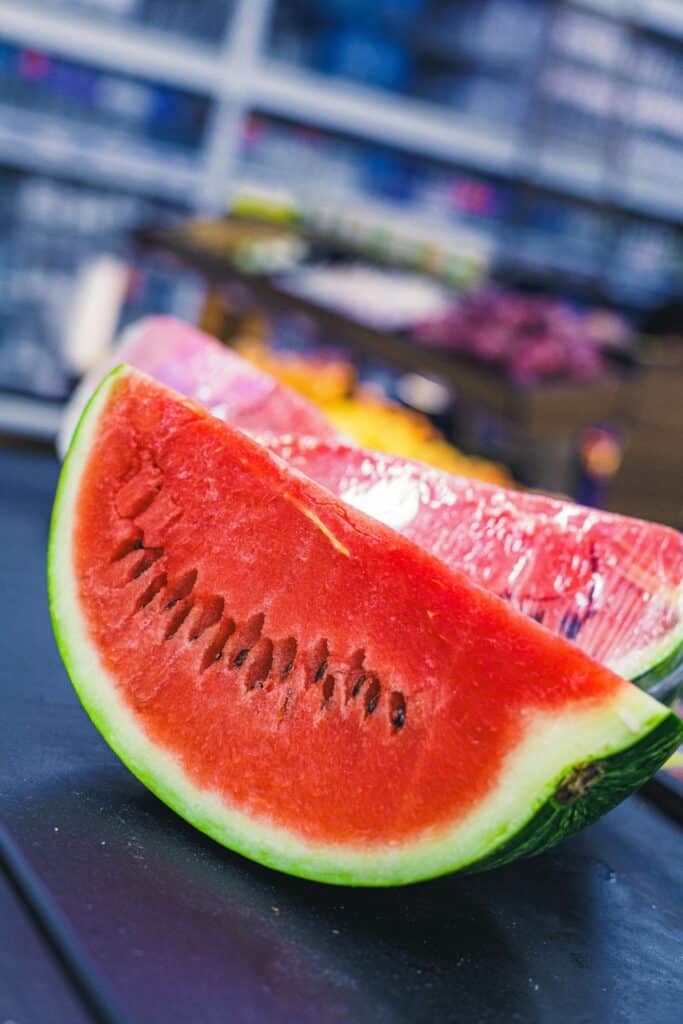
Let’s cut right to the chase, yes you can compost watermelon rinds in your home compost bin or even your tabletop composter. Because watermelon rinds are so bulky, the best thing you can do is chop it into smaller pieces. The small pieces will break down more readily during the composting process. The smaller you can make them, the better. However, even chopped down into 1-2 inch pieces will make a huge difference in speeding up the decomposition process.
Keys to Successfully Composting Watermelon Rinds
Even chopped rinds will not compost well if your compost pile isn’t healthy and active. Here are some signs your compost pile is up and running properly.
Proper Layering of Organic Matter
Compost bins should be layered like a lasagna. First you should have a layer of green materials. This includes anything with a high moisture content such as watermelon rinds, kitchen scraps, green weeds, fresh lawn clippings, etc. This layer should be about 2-4 inches thick. This layer should be followed by a layer of brown compost materials that is about 4-6 inches deep. These are things with a low water content, such as dry leaves, dried lawn clippings, small sticks, etc.
If you just started out your compost pile or you find it is in a bit of a slump, adding in a thin layer of soil or even manure is a great way to add healthy microbes to your pile and really get it up and cooking again.
If you have a compost tumbler rather than a stationary pile, you still want to follow roughly these ratios. Each time you add in green materials, add in equal or slightly more brown materials to keep a balance.
Regular Turning
How often you turn your compost depends on if you are aiming for a hot compost pile or cold compost.
Hot compost will break down completely in less time, around three months. Compost should be turned a few times a week for this to be effective. It is called “hot composting” because the inside of a healthy hot pile will be 130-155 degrees Fahrenheit. The compost breaks down more quickly and is still great for soil health, but the higher temperature will burn up some of the nutrients.
In cold composting, the pile is turned every few months, around four times a year. This process is slower but often more manageable when working with a stationary pile. The internal temperature won’t be as hot, but you also will maintain more of the nutrients from the organic materials.
Proper Moisture
If you are adding in the right balance of green and brown materials, you won’t likely have moisture issues. However, if you are in a particularly hot or dry climate or have had especially hot and dry weather, you might need to add moisture to your pile. This can be done easily by adding it in with a watering can or garden hose. It shouldn’t be sopping wet but have a moist look to it.

Ways to Use Your Compost
If you are new to composting, you might be wondering what you can do with your beautiful compost! Chalk full of essential nutrients, compost is like plant gold to most gardeners.
In addition to providing a nutrient-rich boost, you can use it to improve soil structure by mixing it into garden beds. This improves the structure of the soil by creating a finer texture that can hold moisture and allow for proper oxygen circulation around your plant roots. Yes, your plants actually get oxygen through tiny air pockets in the soil! Your compost helps to create these tiny pockets.
The next time you need to fertilize your potted plants, even our indoor plants, you can add a sprinkle of nutrient-rich compost to the top of the soil around the base of the plant, then water as normal.
Before you do use compost on your potted plants, especially indoor ones, make sure all the food waste is thoroughly composted. If there are still food bits that haven’t broken down you risk some unpleasant odors at best and at worst a problem with fruit flies and molds.
Lastly, every time I put a new plant in the ground, I always add about one cup of compost to the bottom of the hole to encourage healthy plant growth. Compost can be used in vegetable gardens, flower beds, herb plantings, and so on. There is no plant, garden, or even area of lawn that won’t benefit from some finished compost.

Eat Leftover Rinds: Make Watermelon Rind Pickles!
Rather than toss your leftover rinds into your compost pile, you can use those watermelon scraps to make a Southern delicacy, pickled watermelon rinds! This is a brilliant way to use every last bit of your watermelon.
After cutting away the sweet red meat of the melon, you will then slice away the thick green outer skin. This little bit of skin is compost-bin-ready and can be tossed in. You will be left with the semi-soft, pale green rind.
Next, this recipe calls for cinnamon, sugar, lemon, and ginger, along with your classic pickling vinegar. With those flavors you are sure to get a crisp, zingy, side dish.