The Best Winter Hardy Chicken Breeds for Cold Climates
Winter hardy chickens for cold climates are incredibly important. If you want chickens who will survive and thrive during a freezing winter, this list of cold-hardy chicken breeds is for you.
What Does it Mean to Be “Winter Hardy?”
Depending on the breed of chicken, some will simply manage cold weather better than others. To be “winter hardy” means they have physical characteristics that make it easier for them to survive and thrive during the winter months of cold places.
Some breeds of chickens as we will discuss, can be highly adaptable and do well in warmer or cooler climates. Some of these breeds though are truly a cut above the rest, and will manage cold temperatures like a champ.
Characteristics of Cold Hardy Chickens
There are a few key factors in selecting a chicken that can do well in colder climates. Even if you don’t see a particular breed listed below, if a chicken checks all of these boxes, they will probably do just fine during cold winters.
Small Combs
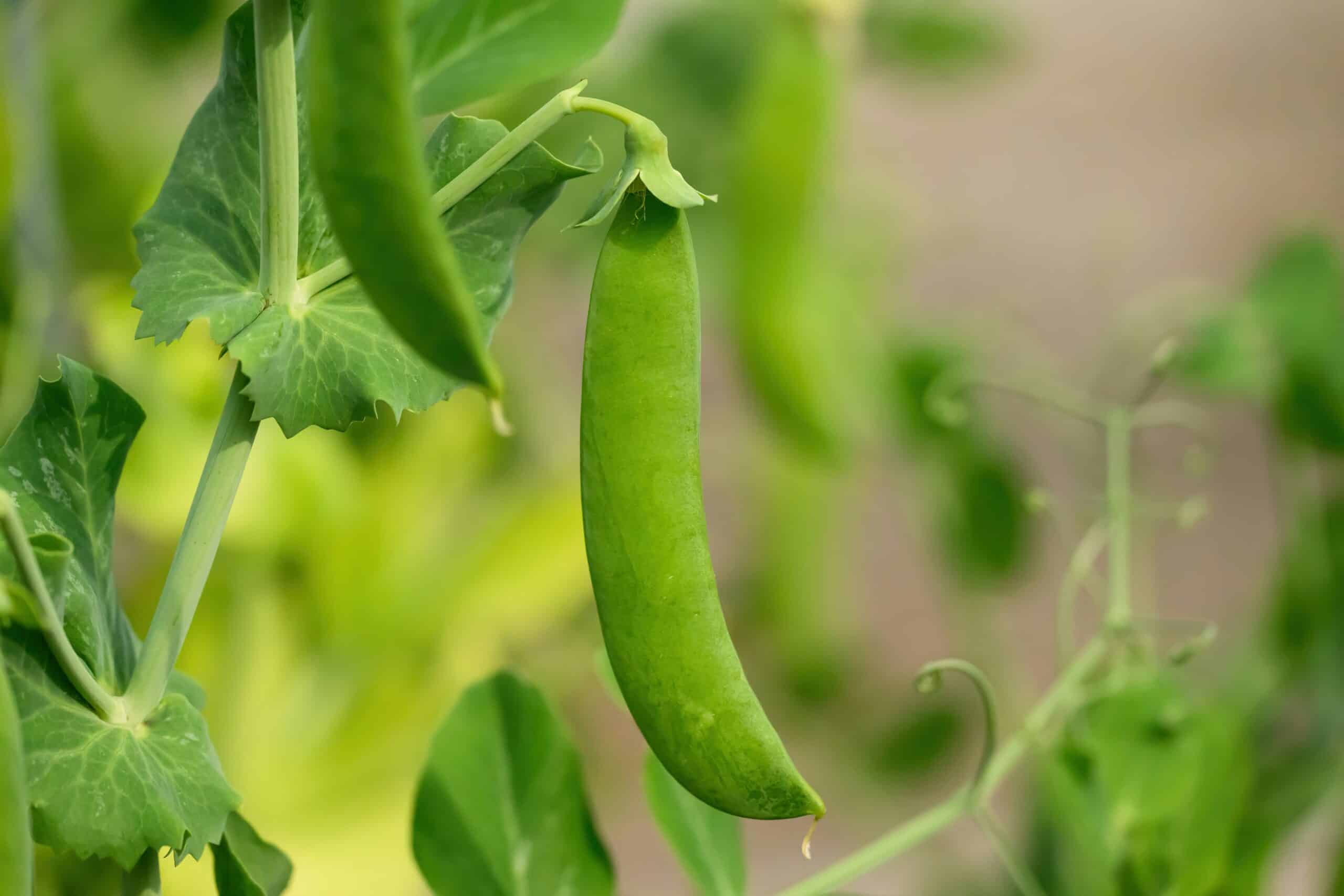
This is a big one, and it has unfortunately kept me from adding some of the more colorful egg layers to our flock. A small comb simply means the fleshy part on top of a hen’s head, known as the comb, should be as small as possible. This is because in cold weather, large combs are prone to frostbite and can fall off. These small to medium sized combs are sometimes referred to as “pea combs”.
Bountiful Feathers
A good, fluffy chicken is going to stay nice and warm. Feathers on their feet can also help with this, but aren’t totally necessary.
Meaty Frame
Many of the breeds listed here are considered “dual-purpose”. This means they can be used for meat or egg production. Having a bird with literally more meat on its bones, means it will be better insulated for the winter. It will be able to have more energy reserves for the cold weather in the form of muscle and fat. This goes a long way to keeping their bodies warm even when the temperatures drop.
The Best Cold Hardy Chicken Breeds
Having lived my entire life in northern climates and having worked on many different farms, there are always a few cold-hardy breeds you can expect to see on just about any farm. These breeds are also an excellent choice for those wanting a few backyard chickens.
Ameraucana
I’ve kept at least a few of these lovely ladies around and they always do well. Known for their consistently blue eggs, you’ll find their feathers are anything but consistent! They can be almost a blue grey color to a beautiful cream and brown. They have almost no comb to speak of and are good foragers on our homestead.
Bielfelder
Known to be a very hardy and large breed, bielfedlers are also dual-purpose birds for both meat and eggs. They lay a darker brown egg and are also auto-sexing, which means the male and female chicks look different right away so you can easily tell the males from the females.
Brahma
These chickens have fluffy feathers that come in a variety of colors. They have feathered legs and feathered feet which comes in handy during especially cold winter weather. They are good egg layers (brown) and are a breed that will often continue laying further into winter than other breeds.
Buff Orpingtons
Especially for the beginning chicken keeper, Buff Orpingtons are often the way to go. I often describe this chicken as the “golden retriever of chicken breeds”. They have an incredibly gentle disposition and are a great choice for families. They lay large brown eggs and are a beautiful golden yellow color. Additionally, Orpingtons in general, not just Buffs, make great chickens for cold climates.

Delaware
Another dual-purpose breed, the Delaware came from (you guessed it) Delaware out of a cross between a Barred Rock and a New Hampshire. It is one of the best chicken breeds if you live with both hot summers and cold winters, as it can perform well in warm climates, too. Their eggs can vary from light to darker brown.
Dominique
This old American breed dates back to early settler times and looks very similar to a Barred Rock or to French Black Copper Marans. Honesty I can’t tell these and my Marans apart. They are great foragers and do well with little resources. They lay a light brown egg.
Faverolles
One of the most feathered breeds, Faverolles have a beard, a muff, and feathered legs and feet! They have a very gentle disposition so are good for families, especially those in a backyard setting. They aren’t voracious foragers, so they aren’t well suited to free ranging or homestead settings. They lay a light brown/tan colored egg.

Jersey Giants
One of the larger chicken breeds, Jersey Giants have dark plummage that looks black black but turns a sort of irridescent blue/green in different light. They do eat more than other breeds, but their heavy-duty build makes it possible for them to keep laying their brown eggs right through much of the winter.
Marans
This includes Cuckoo Marans and French Black Copper Marans. Known for their excellent foraging abilities, they are most prized for their dark brown, almost milk chocolatefolored eggs. They have a feather pattern very similar to Dominiques and Barred Rocks. They are considered dual purpose.
New Hampshire Red
Another dual-purpose option, New Hampshire Reds are also another heritage breed. They are a smaller bird with a beautiful chestnut coloring. Another added benefit of New Hampshires is their mothering abilities. If you want birds to hatch out their own chicks and raise them well, these are your girls!
Plymouth Rock
An excellent choice for meat or eggs, Plymouths are another United States heritage breed on our list, dating back to the 1800s. They come in several beautiful colors inlucing barred, partridge, silver-penciled, and white. They lay what I’d call a tan egg, some might call it light brown. They are great for egg production as the cold weather doesn’t slow them down much.
Russian Orloff
If you are looking for a stunner, the Russian Orloff will add some impressive plumage to your flock. They have a “ruff” as well as a “beard”, meaning extensive feathering around their neck and face, making them especially cold hardy. It is still a rarer breed here in the United States so it might be harder to find. They also are decent egg layers, but not as productive as others.
Welsummer
Another good option for the hot summers/cold winters crowd, Welsummers are prized for their different colored eggs. They can be various shades of brown and often come with the much sought after dark brown speckles. Their eggs are said by some to be richer and more flavorful than others.
Wyandotte
These girls come in a variety of different colors, my favorite being the Blue-Laced. I actually added a few to our flock just so I could admire their gorgeous feathers. Another dual-purpose breed, they lay a classic brown egg and have the benefit (or drawback depending on your goals) of not being particularly broody.
FAQ for Winter Chicken Keeping
Should I Give My Chickens Heat Lamps?
Short answer, no. Heat lamps are highly dangerous in a chicken coop, given all the flammable bedding and often somewhat dusty conditions. Additionally, adding extra heat to the chickens can actually stress them out and throw off their body.
Like other animals who live primarily outside, their bodies sense the changing of seasons and start to adapt and prepare for the cold weather. Adding a heat lamp or a heating mat can be confusing to their bodies. Let’s talk more about ways you can keep your chickens warm in the winter.
Keys to Keeping Chickens Comfortable in Harsh Winters
For the most part, a healthy chicken who is either dual purpose (for cold or warmer climates) or one of the cold hardy breeds, will manage winter just fine with these things provided.
Ample Food and Water
The process of digestion creates internal heat. Make sure your chickens have plenty to eat and drink, and even provide some forage like hay to keep them warm.
Room to Roam
Chickens who can move about and stay active will stay warmer. Make sure your chickens have plenty of room in the coop as well as access to the outside.
Wide Roost Bars
We use 2×4’s for our chickens to roost on. This allows them to sit on their perch while completely and comfortably covering their feet entirely while they roost.
Draft Free Coop
While your coop should have good ventilation, you don’t want the wind howling through. Insulating the coop can really help with this.
Access to Sunlight
The front door of our coop is an old storm door from my parents’ house. The door is black and the entire upper half is a window. The door is also south facing. If it is a sunny day, even when the temperatures are below freezing, the sun comes through that big window and heats up the coop quite nicely. If they are out of the wind but able to sit in the sunshine, your chickens will flock to it like a cat in the sun.
Heated Waterers
I can’t begin to count how many heated waterers I’ve thrown in the trash over the years. Most are garbage that stop working after one season IF that! However, they are absolutely a necessity in cold climates to keep your chickens alive and well.
Over on YouTube I share some of my gripes with various types of waterers. Long story short, after over fifteen years of having chickens in Minnesota, the best set up is a heated metal base with a metal waterer on top. Yes it is slightly more expensive up front, but you will save yourself money down the road. I repeat, do not waste time with plastic heated waterers!
Additional Chickens
Being able to snuggle in next to other chickens on the roost bars will help them all to stay warmer due to their collective body temperature. You don’t want a crowded coop, just one where they can all find a nice spot to roost comfortably and warmly.