Can You Use Pine Shavings for Chicken Bedding?
Do pine shavings make good chicken bedding? Yes they do! There are several other options you can also use in your coop.
When it comes to selecting the right bedding for your chicken coop, there are many option to choose from. Whether you have a huge laying flock or just a few backyard chickens, the bedding that will work best for you will depend on the size of your coop, the climate, what’s readily available to you, and your budget. Here’s a quick break down of bedding types along with their pros and cons.
Pine Shavings
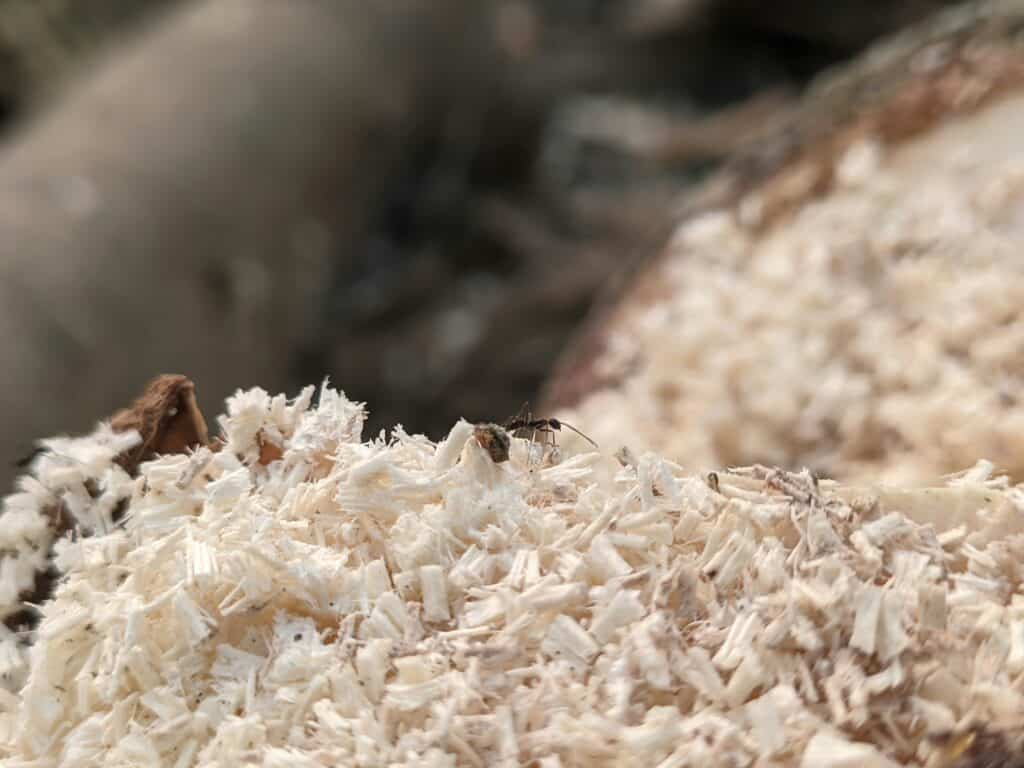
Pine shavings are readily available from most livestock supplies (Fleet Farm, Tractor Supply, grain elevators, etc.) and are personally my favorite bedding to use in the chicken coop. They can be sometimes called pine shavings, pine bedding, pine chips, etc. What they are called is usually determined by the texture or how it is processed.
Some pine shavings you’ll find look just like that, big shavings of pine. Others will be much finer, almost like a confetti texture. The texture and how it is processed will affect how well it absorbs moisture. If dust is especially irritating to you, look for the low-dust formulas. Some will tout right on the package that they are 100% dust free!
Pine shavings that you buy at the store will almost always be kiln or rotary dried. This means the shavings have been dried to remove any excess moisture. This will allow them to be especially absorbent, it kills off any molds or bacteria in the wood, and it also reduces the amount of natural oils present that can cause stress on the respiratory system.
It’s not advisable to use fresh, non-dried shavings for poultry as bedding, for all the reasons mentioned above.
Dried leaves
Dried leaves alone don’t make great bedding as they tend to be too slipper and not absorbent. Mulched leaves however can be used as part of a coop bedding, Say mixed in with pine shavings, straw etc. I don’t recommend using them whole, as they tend to slippery and have very low absorbency. However, if you have a way of mulching them this removes the slip risk and also increases absorbency.
Chickens too will love to scratch around their bedding looking for the leaves and any little eggs or bugs they may have brought into the coop.
Personally, I’d recommend leaving your leaves for the pollinators and using an alternate method.
Sand
Sand is another option in chicken coops, though I would only recommend using it for smaller coops. Sand used as coop bedding basically becomes a giant litter box that requires regular scooping to keep down on smell, slip factors, etc.
Sand can be lower in dust and highly cost effective as you bring it in once and don’t have to replace it often. If you use sand, pick a heavier grit than say a sandbox sand, which would be very dusty and messy.
A few downsides to sand include that it is heavy, requires a lot of maintenance, and it is not a good insulator in cold weather.
Rice Hulls
I haven’t used rice hulls myself as they aren’t available to me locally. However, from what I’ve read they can be very affordable and make for a nice, fluffy bedding. They are lower in absorbency than other options, which can also lead to more issues with odor and flies.
Straw
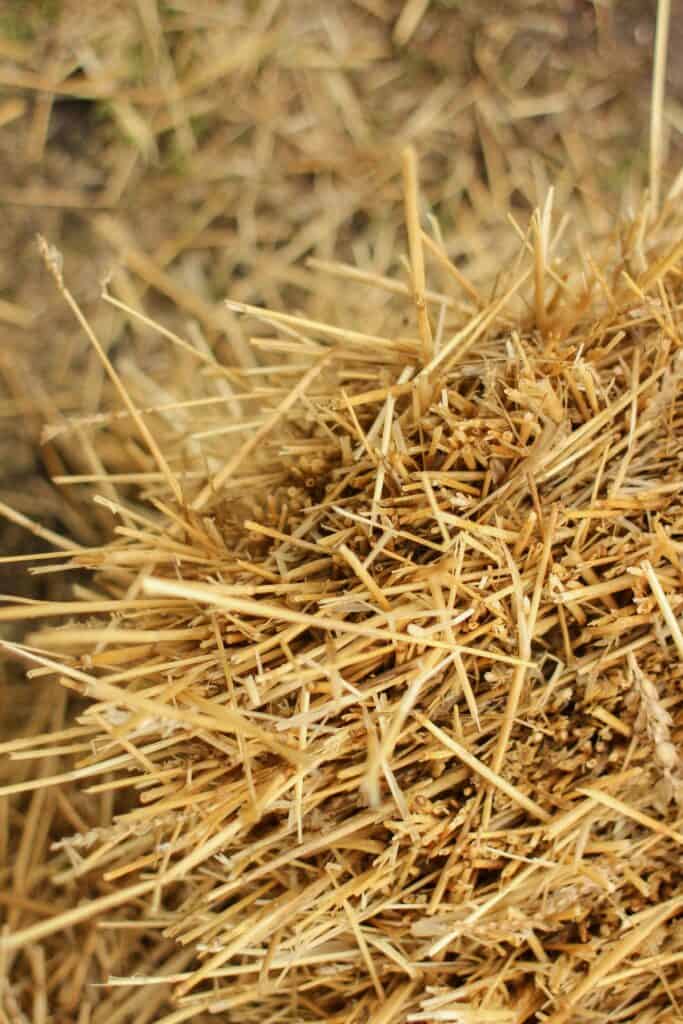
Straw is another alternative bedding option that is widely popular. Straw is typically inexpensive and a little goes a long way. Straw also provides a great insulating layer in the winter.
The two biggest downsides to straw are the slip factor and how slow it is to break down. Straw is slippery as it is, and when you add slick chicken poop on top then it only increases the slip factor. It also does not break down as readily as shavings. When it comes time to clean the coop out a few times a year, straw is a real pain to clear out, compared to shavings which you can scoop and shovel out easily.
Best Bedding for Baby Chicks
When we first get chicks in the mail or if we are hatching our own, we never use shavings of any kind as their first bedding. Young chicks are very curious and hungry, so they will peck at and eat just about anything. This can lead them to pecking and eating little bits of shavings, which can make them sick and make them more prone to things like pasty butt.
Instead, the better option for their first bedding is to lay down a few layers of paper towels. This is absorbent and also textured, which makes it easy for them to grip with their little claws, preventing them from having issues like splayed legs.
After a few days of the chicks eating their chick starter from the feeder and developing a solid understanding of what is food, I’ll start using pine wood shavings in their brooder.
Bedding to Avoid
You’ll find that some beddings work better for you and your set up than others, so in general you’ll determine which to avoid in the future in general.
Cedar Shavings
One bedding you should never use for your chickens and definitely not in their nesting boxes, is cedar shavings. While cedar smells amazing and is a wonderful bedding option for animals like rabbits, guinea pigs, etc. cedar wood is actually toxic for chickens. The aromatic compounds in the wood can cause respiratory problems in all all poultry so never use it in the coop. This includes avoiding it for ducks, turkeys, quail, geese, etc.
Pine Straw
Another bedding option I don’t particular recommend is pine needles. Some folks like to use pine straw as if you have a lot of coniferous trees you will have a ready supply for free. It’s also an organic material that breaks down readily. The needles smell nice and they are also very low dust compared to something like wood chips. There are however several downsides to pine straw.
First is the sap. In our area the needles tend to be sappy. This sap will stick to your chicken’s feet, which then can stick to little rocks, twigs, etc. outside and can cause sores on their feet.
Pine straw is also slippery, which isn’t ideal for young chicks as like we discussed above in chick bedding, slippery surfaces can cause splayed legs.
Lastly, pine straw has very low absorbency. They will soak up just about nothing when it comes to chicken poop. Additionally, that slick poop on slippery needles makes one big tripping hazard.
Have Birds Outside
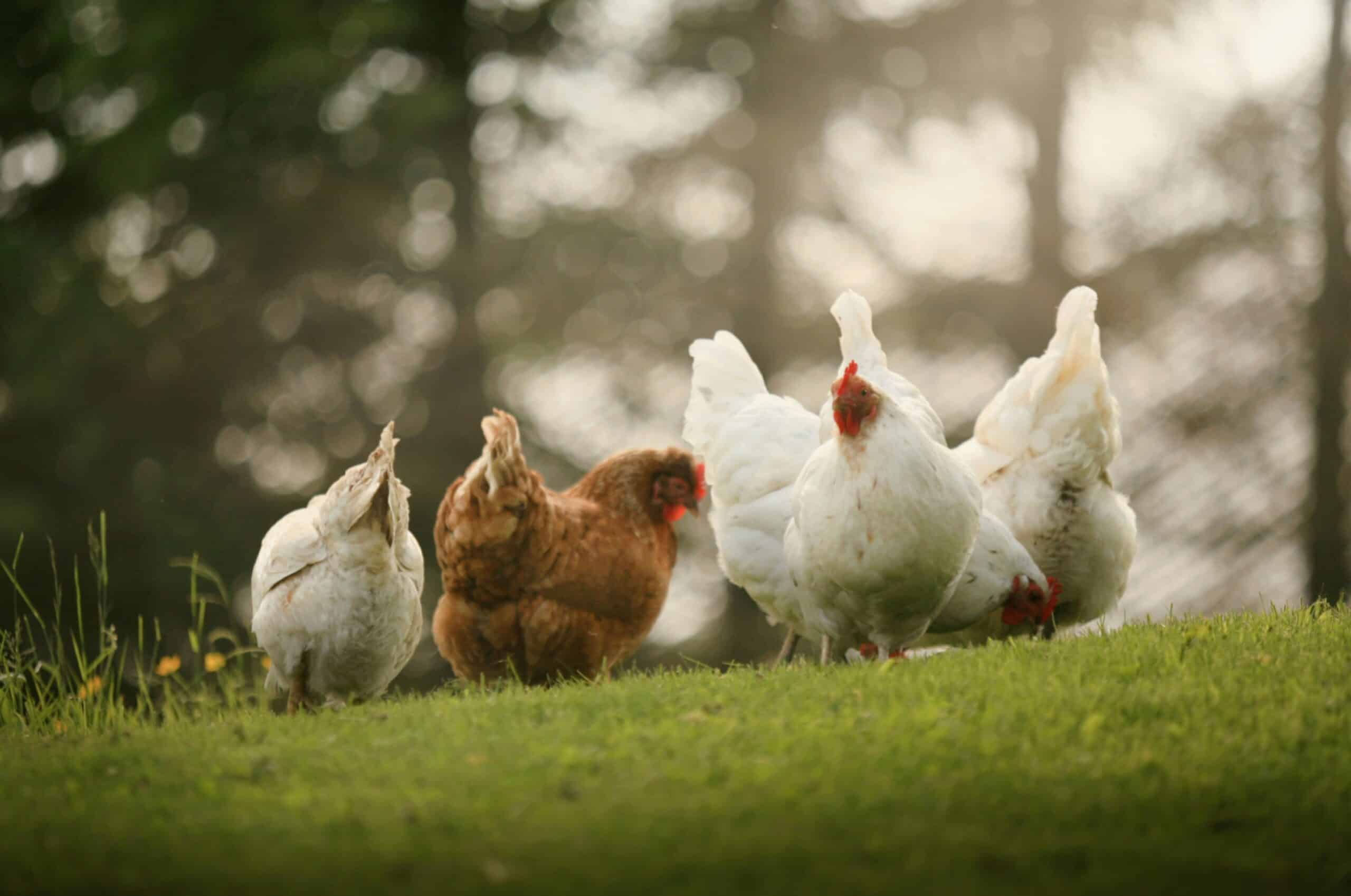
One of the best ways to keep your coop bedding fresher for longer is to encourage your chickens to be outside as much as possible. That might involve creating a safe chicken yard for them or letting them free range. The more they are outside the coop, the more they will spread their manure around rather than letting it build up on their bedding.
On our homestead, chickens are a vital part of keeping our ecosystem in balance and reducing fly control. Our free-range chickens spend a lot of their time out in the pasture scratching around for fly larvae in cow pies. This way we are achieving three goals all at once. The chickens spread their manure around the pastures, they also spread the cow manure around the pastures, and they help to keep fly populations down by snacking on the larvae. It’s a win-win!
It can be difficult in the colder months to encourage your chickens to get outside the coop. I discovered even on colder days they will get out and about if they don’t have to walk on the snow! I take a flake or two of straw and scatter it in the snow just outside their coop. With a little sprinkle of feed on top, they come out of the coop almost immediately to investigate. If we get a particularly windy day that blows a lot of the straw away I’ll add a little more.
Straw holds up better in the snow than shavings do, and it’s also much cheaper!
Under Roost Removal System
You might consider setting up some kind of system to easily remove waste from under the roost bars. This is where the most chicken poop will pile up. This can include under roost poop hammocks to catch everything that drops. You can also use mesh flooring under the roost bars so the poop drops through and is easily cleaned out.
Deep Litter Method
Another thing to consider with coop bedding is what will work well for a deep litter method. This is a method used in the winter to create more insulation and avoid additional coop clean outs. Once a week or so, you simply add a few inches of fresh bedding on top of what is already there.
The bedding at the bottom will start to compost and create a small amount of heat. In the spring, you do a full clean out of everything. We use the deep litter (also sometimes called deep bedding) method in our coop and it works great.
Coop Refresher
One of my favorite products for increasing the longevity of my coop bedding and also having the coop smell amazing, is to use Coop Recuperate from Strong Animals Chicken Essentials.
Simply sprinkle a little across your coop every few days and the organic essential oils and herbs go miles to keeping your coop fresh for your chickens and you! They also have seasonal scents, my favorite is pumpkin spice which is only available in the fall. Cherry blossom smells great too! Use code Farmhouse20 for 20% off your purchase! This is an affiliate link which means if you do grab something from their website I get a small commission.